
What Is Cancer?
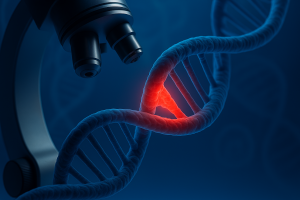 Our body is made of trillions of cells. Each cell usually functions according to programmed rules of growth, division, and death. Cancer occurs when one or more cells undergo changes (mutations) in their DNA (genetic material) and lose their normal behavior.
– Cancer cells can divide rapidly and uncontrollably, move out of their original location, and spread to surrounding tissues or distant sites. Cancer is a large group of diseases with various types and behaviors.
What is the difference between benign and malignant tumors?
– Benign Tumor:
– Growth is usually slow and limited.
– Typically encapsulated or well-defined and separated from surrounding tissues.
– Does not metastasize (spread to distant sites).
– Often less dangerous but can cause problems by pressing on sensitive organs or depending on its location (e.g., in the brain or airway).
– Usually has a lower recurrence rate after surgical removal.

– Malignant Tumor (Cancer):
– Has rapid and irregular growth.
– Can invade surrounding tissues (invasion).
– May spread to other organs via blood or the lymphatic system, forming new tumors (metastasis).
– Requires specialized treatments (surgery, chemotherapy, radiotherapy, etc.) and has a higher chance of recurrence.
Is cancer curable?

Short answer: It depends. Some cancers are completely curable and even achieve full remission, others become controllable long-term, and some do not have a definitive cure but treatments can improve the patient’s quality of life and longevity.
Factors influencing treatment outcome:
– Type of cancer (e.g., skin cancers or certain blood cancers respond better than some other advanced types).
– Stage of the disease at diagnosis (early diagnosis is associated with a high chance of cure and recovery).
– Overall health status, age, and co-existing conditions of the individual.
Treatments can include one or a combination of the following:
– Surgery (tumor removal)
– Radiotherapy (radiation)
– Chemotherapy (drugs that kill rapidly dividing cells)
– Targeted therapies and biological drugs that target specific molecules
– Immunotherapy which activates the immune system to attack cancer cells
– Hormonal therapy, bone marrow transplant, and palliative care
– Many cancers, if diagnosed early, are treatable or controllable long-term. Unfortunately, more advanced cancers are harder to treat, but new treatments are advancing every year, increasing hope.
Prevention and Early Detection

– Effective measures: Quitting smoking, healthy diet, physical activity, avoiding excessive obesity, reducing alcohol consumption, sun protection, vaccination against viruses like HPV and Hepatitis B.
– Participating in screening programs (e.g., mammography for breast cancer, colonoscopy for colorectal cancer) and consulting a doctor for suspicious symptoms (palpable lump, bleeding, abnormal changes, unexplained weight loss, etc.) is crucial.
Final Note
– Cancer is a complex but understandable disease. Awareness, prevention, and early detection play a significant role in increasing the likelihood of successful treatment. If you have any concerns or specific symptoms, be sure to consult a doctor for appropriate examination and guidance.
Comments