Cancer prevention requires raising awareness and research.

Cancer Prevention Requires Promoting Awareness and Research Cancer is one of the most significant public health challenges in the world today. With the increasing number of people affected by this disease, the importance of prevention and effective methods to reduce the risk of incidence has become more apparent than ever. This article examines the role […]
Lung cancer
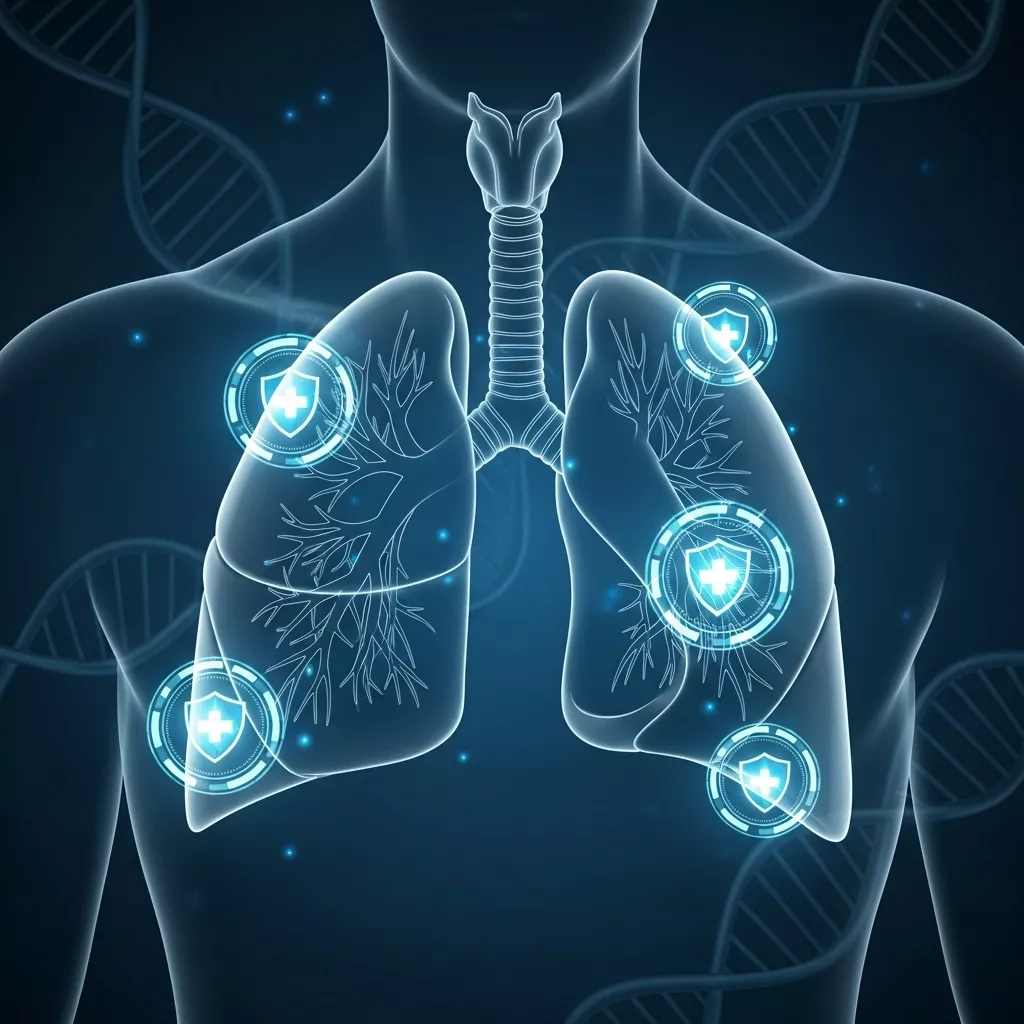
Lung cancer is the most common cause of cancer-related death worldwide. In 2012, there were 1.8 million new cases globally. The mortality rate for this cancer is high, with a 5-year survival rate after diagnosis in the United States being only 18%. A unique aspect of lung cancer is its strong association with a potentially […]
Stomach Cancer
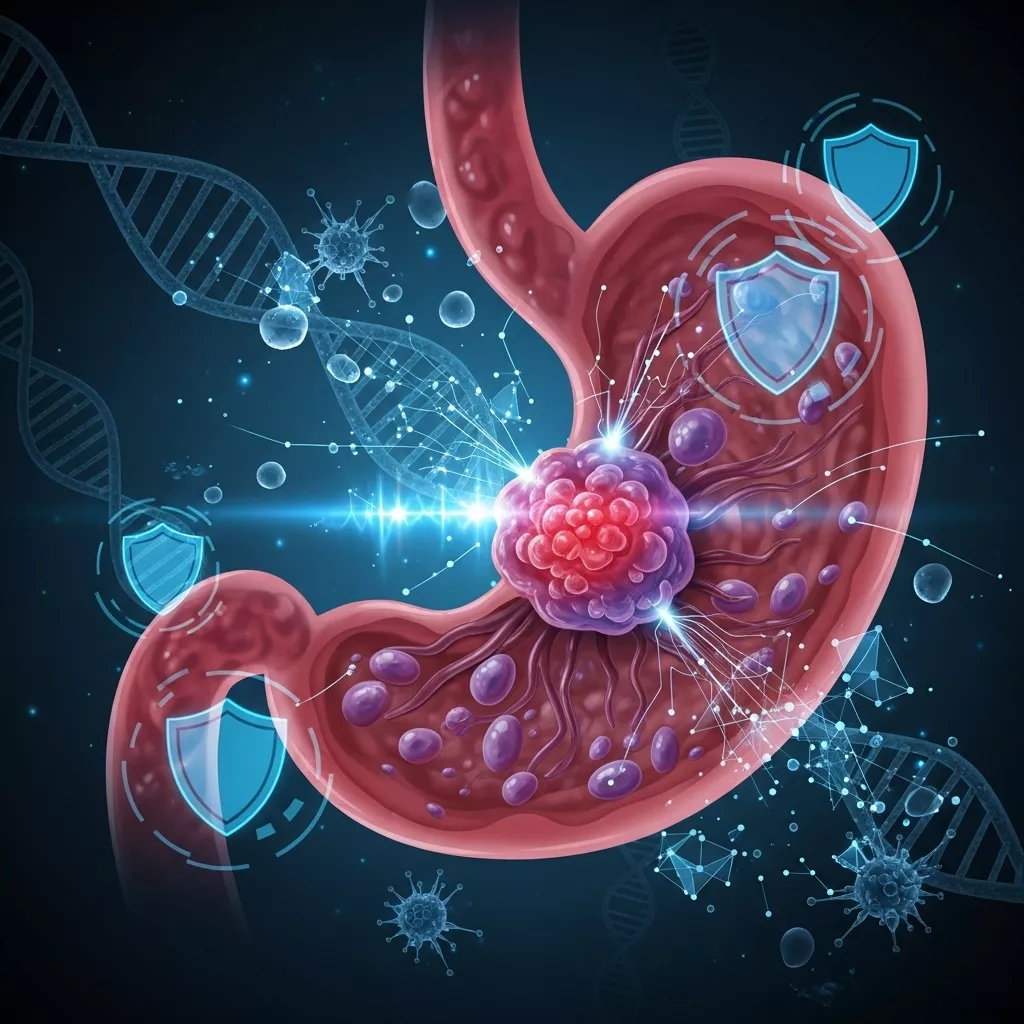
Gastric adenocarcinoma is the most common form of stomach cancer, distinct from lymphomas and carcinoids which are classified by their respective histological types found in other body regions. Historically, gastric cancer was the leading cause of cancer-related death globally in the 20th century. It now ranks second, after lung cancer. It is the fourth most […]
Skin Cancer
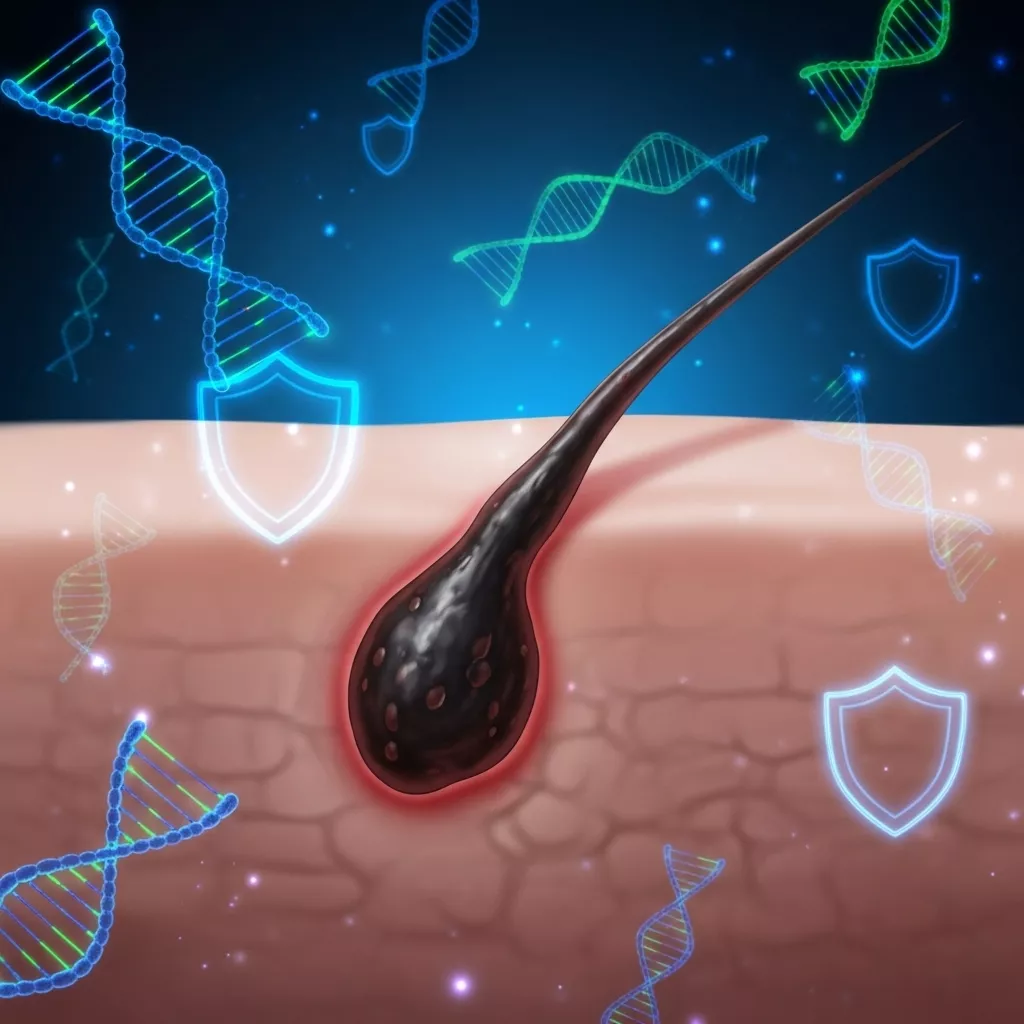
Non-melanoma skin cancers are the most common human cancers, with an annual incidence surpassing that of lung, breast, prostate, and colon cancers combined. In the US, one in five individuals will develop non-melanoma skin cancer in their lifetime. This prevalence continues to rise due to increased life expectancy and a growing elderly population, heightened environmental […]
Breast Cancer

Breast cancer is the most common type of cancer in women worldwide. Since 1950, its mortality rate has decreased by about 40%. This is due to the widespread adoption of screening (which allows for early diagnosis and treatable stages of the disease) and advancements in adjuvant therapies (supplementary to surgery) that reduce recurrence rates. Predisposing […]
Colon Cancer (Colorectal Cancer)
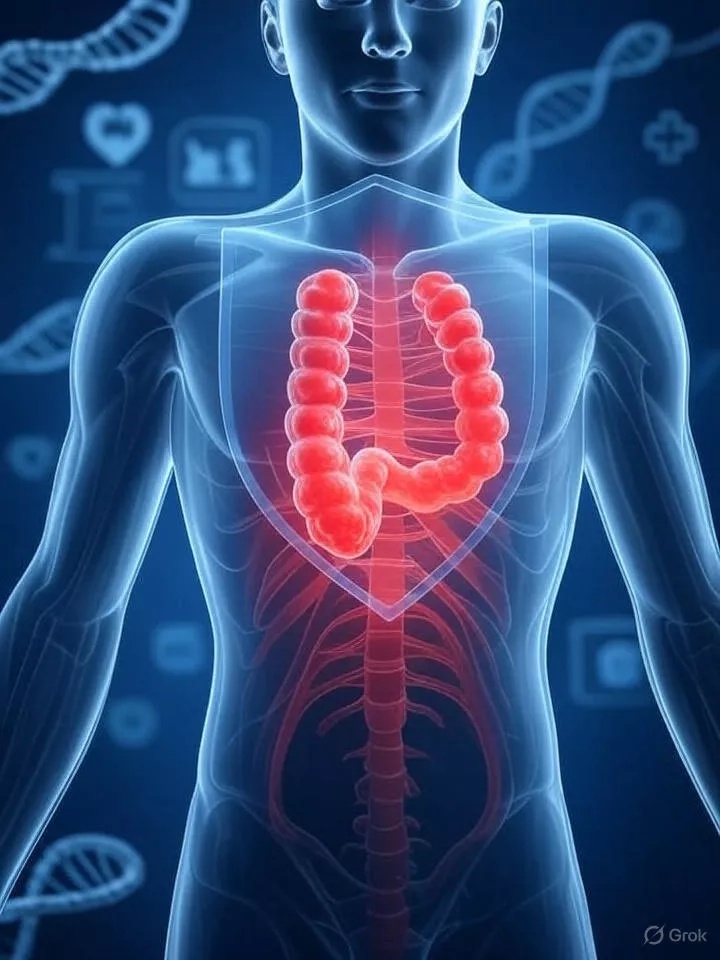
Colon cancer is one of the most common gastrointestinal cancers, affecting 1.2 million people annually worldwide. In the United States, its incidence is declining due to prevention, early detection, and treatment methods. Risk Factors Genetic and environmental factors play a role in the occurrence of colon cancer. Hereditary Factors: Several hereditary syndromes increase the likelihood […]
Prostate Cancer

The prostate is a gland in men that surrounds the beginning of the urethra and produces protective and nourishing fluids for sperm. Prostate cancer is the most common visceral cancer in men in developed countries worldwide. This cancer is often referred to as “the cancer of older men” because the strongest risk factor for its […]
Cervical Cancer: The Vaccinable Cancer in Women

The Common Cancer with a Vaccine! Over the past 80 years, in developed countries, the incidence of advanced cervical cancer and its associated morbidity and mortality have significantly decreased. This is attributed to effective screening and treatment of pre-cancerous lesions. However, worldwide, cervical cancer remains one of the most prevalent cancers and the fourth most […]
What Is Cancer?
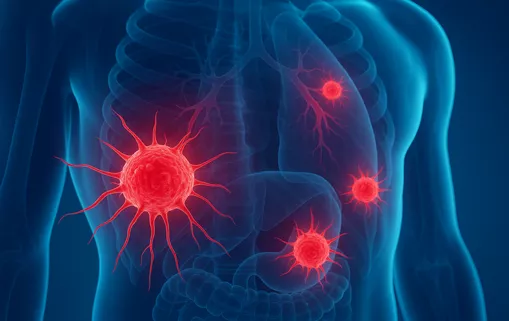
What Is Cancer? Our body is made of trillions of cells. Each cell usually functions according to programmed rules of growth, division, and death. Cancer occurs when one or more cells undergo changes (mutations) in their DNA (genetic material) and lose their normal behavior. – Cancer cells can divide rapidly and uncontrollably, move out of […]
Clinical insights into nanomedicine and biosafety: advanced therapeutic approaches for common urological cancers

Urological cancers including those of the prostate, bladder, and kidney, are prevalent and often lethal malignancies besides other less common ones like testicular and penile cancers. Current treatments have major limitations like side effects, recurrence, resistance, high costs, and poor quality of life. Nanotechnology offers promising solutions through enhanced diagnostic accuracy, targeted drug delivery, controlled […]